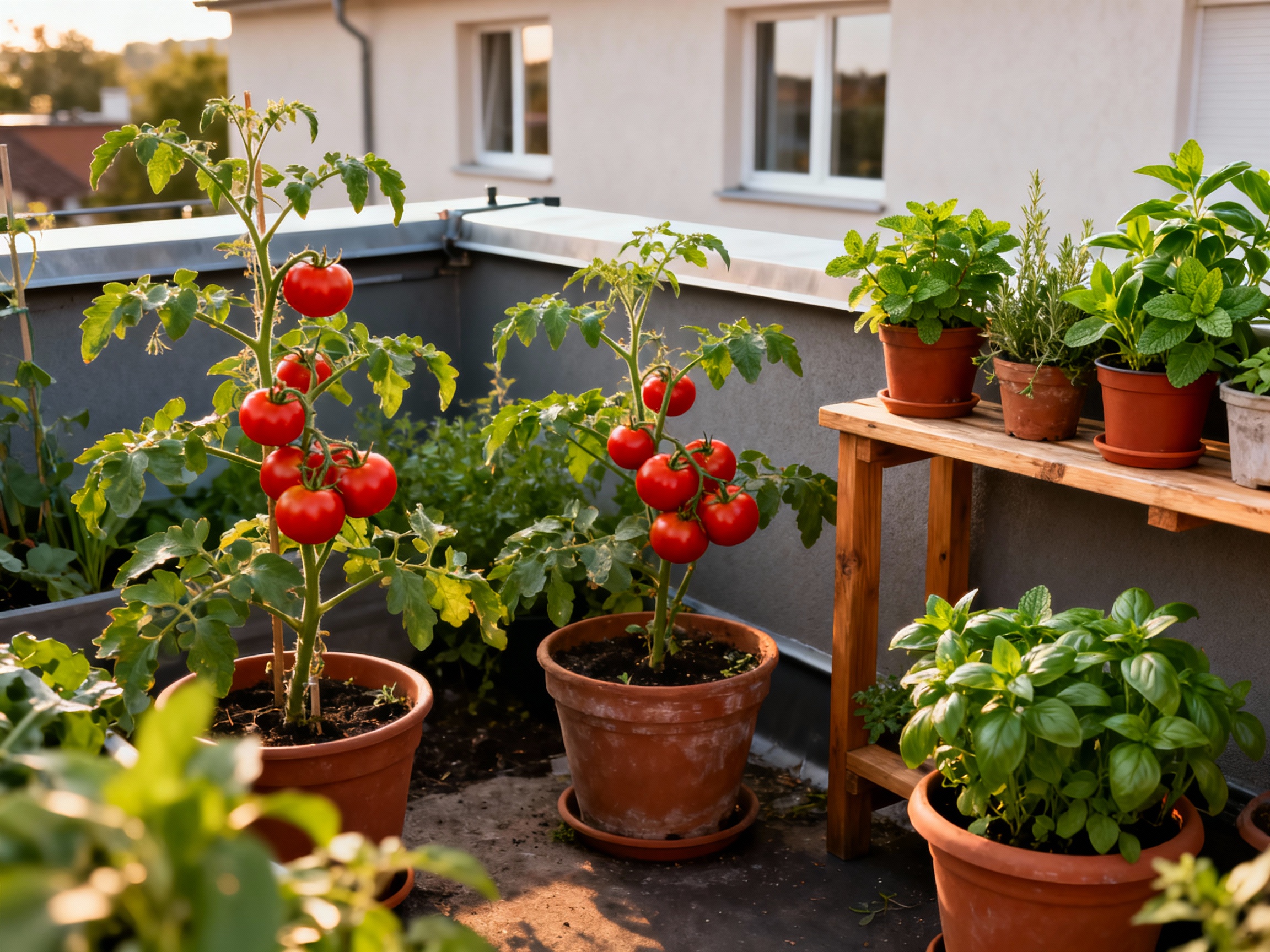
Container Vegetable Gardening: The Ultimate Beginner’s Guide
Think you need a sprawling backyard to grow your own food? Think again. Container vegetable gardening is the perfect solution for urban dwellers, renters, or anyone with limited space. Whether you have a tiny balcony, a concrete patio, or just a sunny doorstep, you can grow a surprising amount of fresh, organic produce in pots.
Container gardening isn’t just a compromise; it actually offers distinct advantages. There is no weeding, fewer pests, and you can control the soil quality perfectly. Plus, you can move your garden to chase the sun!
In this guide, we will cover everything you need to know to turn your small space into a productive food forest.
1. Choosing the Right Containers
You can turn almost anything into a planter—buckets, wooden crates, old boots, or expensive ceramic pots. However, there are two golden rules for choosing a container:
- Drainage is Non-Negotiable: Your pot must have holes in the bottom. Without drainage, water will pool at the bottom, causing the roots to rot and the plant to die. If you upcycle a bucket, drill holes in it!
- Size Matters: The bigger, the better. Larger pots hold more soil, which holds moisture longer. Small pots dry out incredibly fast in the summer heat.
- 5-Gallon Bucket: Perfect for one tomato plant, pepper plant, or squash.
- 1-2 Gallon Pot: Good for herbs, lettuce, or swiss chard.
- Long Window Box: Ideal for leafy greens, radishes, and strawberries.
2. The Perfect Soil Mix
Here is the most common mistake beginners make: digging up dirt from the ground and putting it in a pot. Do not do this. Garden soil is too heavy and dense for containers. It will compact into a brick, suffocating your plants.
Instead, buy a bag labeled “Potting Mix” or “Container Mix.” These mixes contain no actual “soil.” They are made of peat moss, coconut coir, perlite, and compost. This mixture is light, fluffy, and retains moisture while allowing excess water to drain freely. Your plants’ roots will love it.
3. Top 10 Easiest Vegetables for Containers
Not all vegetables enjoy being confined. Pumpkins and standard corn, for example, are too big. Stick to these container-friendly “superstars”:
1. Tomatoes
Everyone’s favorite. Look for “Determinate” or “Bush” varieties like ‘Patio Princess’ or ‘Tiny Tim’ that stay compact but produce loads of fruit.
2. Lettuce & Greens
Lettuce has shallow roots and thrives in wide, shallow bowls. You can plant a customized salad mix and harvest leaves all season.
3. Peppers
Both hot and sweet peppers look beautiful in pots. They don’t get as wild as tomatoes and add a pop of color to your patio.
4. Radishes
Considering they are ready in just 30 days, they are instant gratification! You can grow dozens in a single window box.
5. Herbs
Basil, parsley, chives, and cilantro are essential. Note: Always plant Mint in its own pot because it grows like a weed and will choke out other plants.
6. Bush Beans
Avoid “pole” beans (vines). “Bush” beans grow in tidy mounds and produce a heavy crop perfect for small pots.
7. Spinach
Great for shady balconies! Spinach prefers cooler temperatures and less intense sun.
8. Swiss Chard
Ornamental and edible. Varieties like “Bright Lights” have neon yellow and red stems that look stunning in decorative pots.
9. Carrots
Yes, you can! Just make sure your pot is deep enough. Choose shorter varieties like ‘Paris Market’ (round) or ‘Little Finger’.
10. Eggplant
Asian varieties produce long, slender fruits and fit in containers better than the giant Italian types.
4. Watering and Feeding
Watering: This is the biggest challenge in container vegetable gardening. Pots dry out much faster than the ground. In the peak of summer, you might need to water every single day, or even twice a day for small pots. Check the soil daily. If the top inch is dry, water until it flows out of the bottom drainage holes.
Fertilizing: Potting mix usually has some fertilizer in it, but it runs out after about 6 weeks because frequent watering washes nutrients away. You must supplement. Use a liquid organic fertilizer (like fish emulsion) every 2 weeks to keep your plants producing vigorously.
5. Location, Location, Location
Most fruiting vegetables (tomatoes, peppers, beans) need 6-8 hours of direct sun. Observe your balcony or patio. Which way does it face? South-facing is usually best. If you have a shady north-facing balcony, stick to the leafy greens (lettuce, spinach, kale) and herbs.
Container gardening is a flexible, low-commitment way to get your hands dirty. Start with just three pots: one tomato, one basil, and one lettuce bowl. You’ll be amazed at how much food you can generate from a few square feet of space.