5 Common Gardening Mistakes Beginners Make (And How to Fix Them)
Gardening is an incredibly rewarding journey, but it is also one filled with learning curves. Every green thumb
started exactly where you are right now, likely making a few gardening mistakes along the way.
It is completely normal to face challenges when you are just getting started with your first vegetable patch.
However, knowing what to look out for can save you time, money, and a lot of frustration. In this extensive
guide, we will explore the most frequent gardening mistakes new growers encounter and provide
you with actionable solutions to avoid them.
By understanding these potential pitfalls, you can set yourself up for a bountiful harvest rather than a season
of withered plants. Whether you are planting a few pots on a balcony or tiling a large backyard plot, steering
clear of these common gardening mistakes is the key to your success.
Table of Contents
Mistake 1: Starting Too Big, Too Soon
One of the classic gardening mistakes that almost every enthusiastic beginner falls victim to is
biting off more than they can chew. It is spring, the sun is shining, and the garden center is overflowing with
vibrant seedlings. It is easy to get carried away and buy one of everything. You might dream of a massive plot
that feeds your family all summer long, but the reality of maintaining a large garden can quickly become
overwhelming.
A large garden requires hours of weekly maintenance. Weeding, watering, pruning, and harvesting are ongoing tasks
that do not stop just because you are busy or tired. When you start too big, these tasks can pile up, turning
your hobby into a chore. This is one of those gardening mistakes that leads to “gardener’s
burnout,” where you might give up entirely before the season is even over.
How to Avoid This Mistake
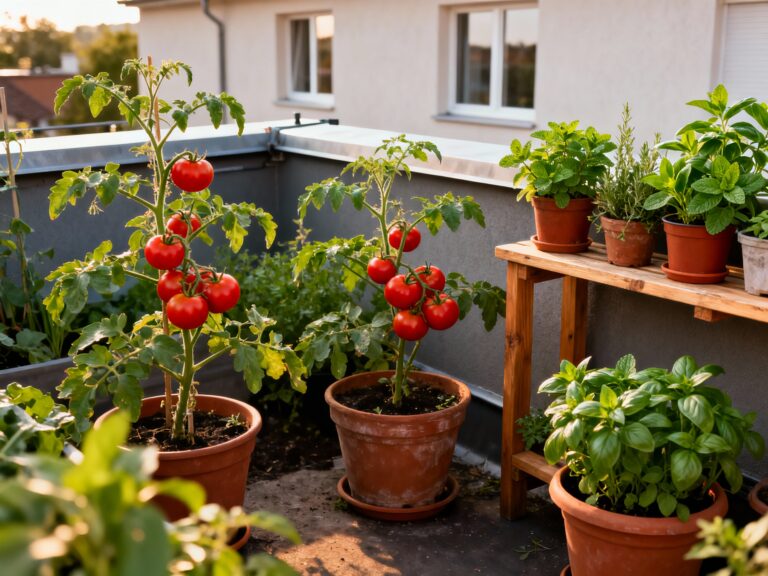
The solution is simple: start small. If you are a complete novice, consider starting with just a few containers
or a single raised bed (e.g., 4×4 feet). A small, well-tended garden will always produce more yields than a
large, neglected one full of weeds.
As you gain confidence and understand the time commitment required, you can
expand your growing area year by year. Avoiding this specific gardening mistake ensures you
enjoy the process rather than feeling burdened by it.
If you are unsure how to begin on a smaller scale, check out our comprehensive guide on how to start a vegetable
garden from scratch to get the basics right.
Mistake 2: Neglecting Soil Preparation
Many beginners view soil simply as “dirt”—a lifeless medium to hold the plant up. This is one of the most
critical gardening mistakes you can make. Soil is a living, breathing ecosystem teeming with
microorganisms that feed your plants. If you plant directly into hard, compacted, or nutrient-poor ground
without preparation, your vegetables will struggle to survive.
Healthy plants require loose, well-draining soil rich in organic matter. Without this, roots cannot expand to
access water and nutrients. Ignoring soil health is a fundamental gardening mistake that
affects everything from plant growth rates to disease resistance and flavor.
Building Better Soil
To avoid soil-related gardening mistakes, you must invest time in preparation before you plant a
single seed. Start by testing your soil pH and nutrient levels. You can easily do this with a home kit or by
sending a sample to your local extension office.
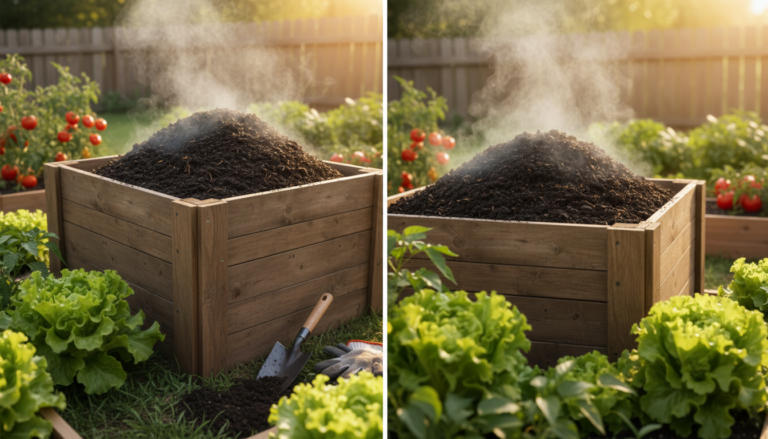
Amend your soil generously with organic matter such as compost, aged manure, or shredded leaves. This improves
drainage in clay soils and water retention in sandy soils. Think of this as feeding the soil so the soil can
feed your plants. Correcting this gardening mistake early on is the best insurance policy for
your garden.
Mistake 3: Improper Watering Habits
Water seems like the simplest thing in the world, yet improper watering is high on the list of common
gardening mistakes. There are two extremes here: overwatering and underwatering.
Overwatering can suffocate plant roots, leading to root rot and fungal diseases. It effectively drowns the plant.
On the other hand, shallow, frequent watering (a light sprinkle every day) encourages roots to stay near the
surface, making them vulnerable to heat and drought. Both of these gardening mistakes stunt
plant growth and reduce yields.
The Right Way to Water
The goal is deep, consistent moisture. Instead of a daily sprinkle, water your garden deeply fewer times a week.
This encourages roots to grow deep into the earth to find moisture, making your plants stronger and more
drought-resistant. Always check the soil moisture before watering by sticking your finger about an inch into the
soil. If it feels dry, it is time to water. If it is wet, wait a day.
Another tip to avoid watering gardening mistakes is to water at the base of the plant, not the
leaves. Wet foliage promotes diseases like powdery mildew and blight. Using a soaker hose or drip irrigation can
drastically reduce water waste and keep foliage dry.
Mistake 4: Ignoring Sunlight Requirements
Plants use sunlight to create energy through photosynthesis. When you ignore the sunlight requirements on your
seed packets, you are making one of the most detrimental gardening mistakes. Planting a
sun-loving crop like tomatoes or peppers in a shady corner is a recipe for leggy, weak plants that produce
little to no fruit.
Conversely, planting cool-weather crops like lettuce or spinach in the blazing mid-summer sun will cause them to
“bolt” (go to seed) and turn bitter. Misunderstanding your garden’s light conditions is a frequent
gardening mistake that is easily preventable with observation.
Mapping Your Sun
Before planting, spend a weekend observing your garden space. Note which areas receive direct sunlight in the
morning, midday, and afternoon. Most fruiting vegetables (tomatoes, cucumbers, peppers) need at least 6 to 8
hours of direct full sun daily. Leafy greens and root vegetables can often tolerate partial shade (3 to 6
hours).
By matching your plants to the correct light conditions, you eliminate one of the major environmental
gardening mistakes. For precise data on your local growing conditions, you can refer to the USDA Plant Hardiness
Zone Map to understand your climate better.
Mistake 5: Overcrowding Your Plants
It is tempting to squeeze as many plants as possible into your garden bed to maximize the harvest. However,
overcrowding is one of those deceptive gardening mistakes that actually reduces your total
yield. When plants are too close together, they compete for sunlight, water, and nutrients.
Furthermore, poor air circulation between crowded plants creates a humid microclimate that is a paradise for
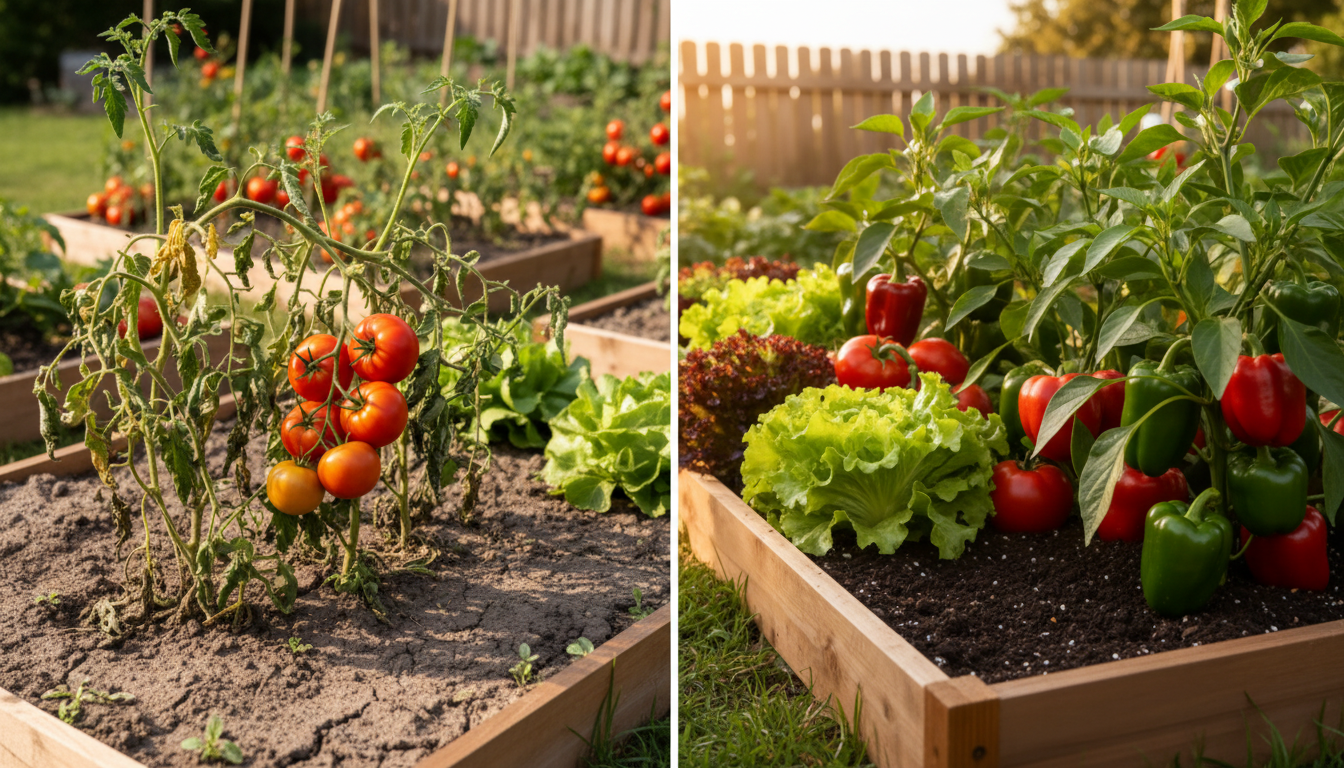
fungal diseases and pests. If you have ever seen a tomato jungle where leaves are yellowing and rotting, you
have witnessed the result of this gardening mistake.
Respect the Spacing
Always follow the spacing recommendations on the seed packet or plant tag. It might look sparse when you first
plant those tiny seedlings, but they will grow quickly to fill the space. Proper spacing is a preventative
measure against many other gardening mistakes related to disease and nutrient deficiency.
If you are short on space, look for “bush” or “patio” varieties of vegetables that are bred to be compact, rather
than crowding standard varieties. Avoiding overcrowding ensures each plant has the resources it needs to thrive.
Summary: Mistakes vs. Best Practices
To help you recap, here is a quick comparison of the gardening mistakes we discussed and the
best practices to replace them with.
| Common Gardening Mistake | The Best Practice | Result |
|---|---|---|
| Starting with a huge garden plot | Starting small (containers or small beds) | Manageable workload, higher success rate |
| Planting in untreated “dirt” | Amending soil with compost & organic matter | Healthy roots, vigorous growth |
| Daily light sprinkling of water | Deep, infrequent watering at the base | Deep root systems, drought resistance |
| Guessing sunlight exposure | Observing and mapping sun patterns | Optimal photosynthesis & fruiting |
| Planting seedlings too close together | Following spacing guidelines strictly | Better airflow, less disease, larger produce |
Conclusion
Making gardening mistakes is a natural part of becoming an expert gardener. Do not be
discouraged if you lose a plant or two; even professional horticulturists face challenges with weather and
pests.
The important takeaway is to learn from these experiences. By avoiding the major pitfalls of starting too
big, ignoring soil health, watering incorrectly, misjudging sunlight, and overcrowding, you are already miles
ahead of most beginners.
Gardening is a journey of patience and observation. Keep an eye out for these gardening
mistakes, correct them when you see them, and soon enough, you will be enjoying the literal fruits
of your labor. Happy gardening!