
10 Common Gardening Mistakes & How to Fix Them
Starting a vegetable garden is one of the most rewarding hobbies you can take up. There is nothing quite like the taste of a sun-ripened tomato or the crunch of a fresh carrot pulled straight from the earth. However, for beginners, the path to a bountiful harvest is often paved with good intentions and unfortunate errors.
If your plants are wilting, your leaves are turning yellow, or your harvest is smaller than expected, don’t worry—you are not alone. Every expert gardener started as a beginner who killed a few plants along the way. The secret to success isn’t just a “green thumb”; it’s knowing what common gardening mistakes to avoid before they ruin your hard work.
In this comprehensive guide, we will explore the top 10 mistakes new gardeners make and provide you with actionable, easy-to-follow solutions to fix them. By avoiding these pitfalls, you will be well on your way to growing a lush, productive, and envy-inducing vegetable garden.
1. Starting Too Big, Too Soon
It is easy to get carried away when looking at seed catalogs filled with vibrant pictures of hundreds of vegetable varieties. Many beginners till a huge plot involving dozens of different crops in their very first season. While ambition is great, a large garden requires a significant amount of time, labor, and maintenance.
The Problem: A massive garden quickly becomes overwhelming. Weeds take over, pests invade, and watering takes hours. This often leads to burnout, and many beginners give up entirely because it feels like a full-time job.
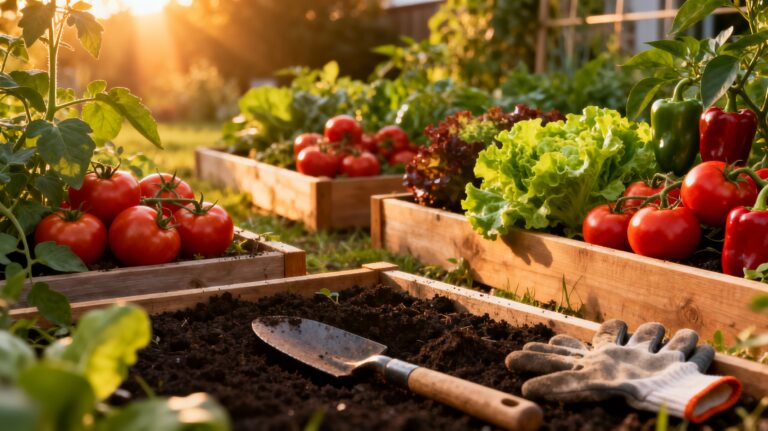
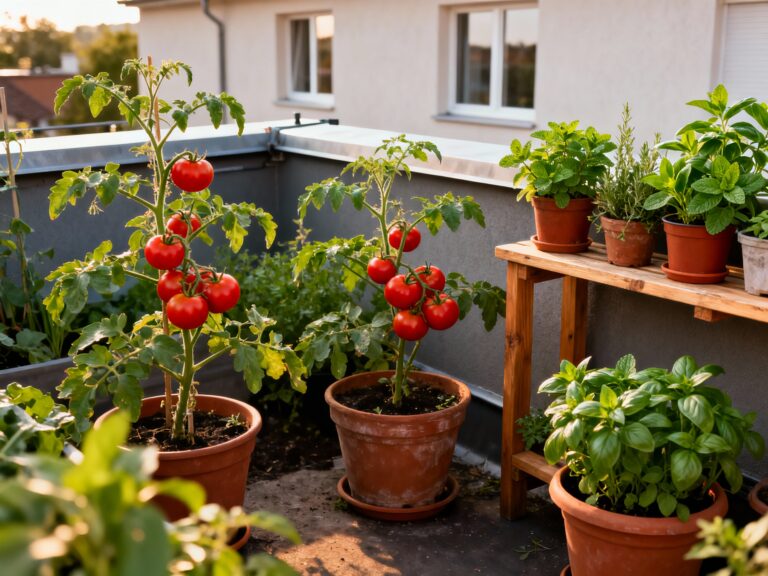
The Fix: Start small. Really small. A 4×4 foot raised bed or just a few containers on your patio is plenty for a first year. This allows you to focus on learning the basics of soil health, watering, and pest control without feeling drowned in work. You can always expand next year!
2. Poor Soil Preparation
Soil is the foundation of your garden. A common gardening mistake is treating soil like “dirt” and just digging a hole in the hard ground to plant a delicate seedling. Vegetable plants rely heavily on loose, nutrient-rich soil to expand their roots and access the food they need to grow.
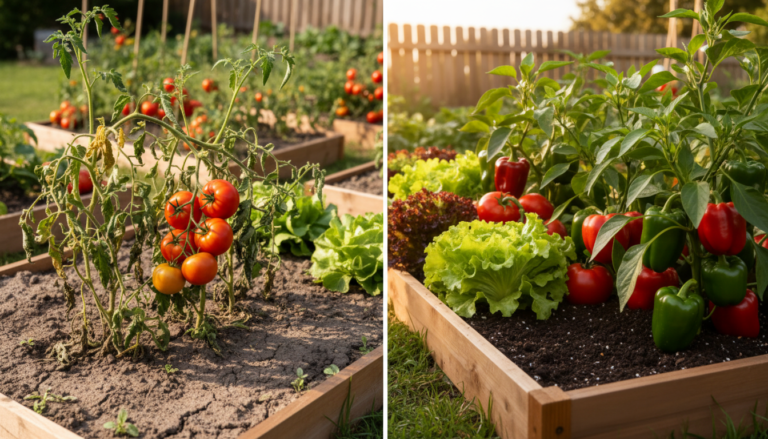
The Problem: If your soil is heavy clay, it will suffocate roots and drown them when it rains. If it is too sandy, water and nutrients will drain away instantly. Plants in poor soil will be stunted, weak, and susceptible to disease.
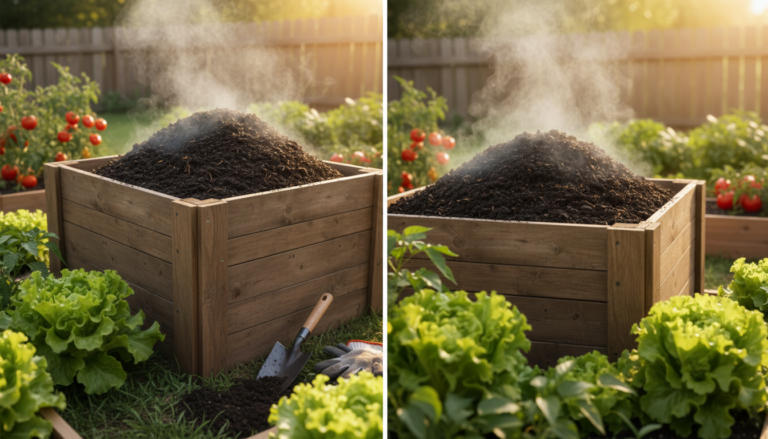
The Fix: Before you plant a single seed, invest in your soil. Add organic matter such as compost, aged manure, or leaf mold. This improves drainage in clay soils and water retention in sandy soils. If you are using pots, never use garden soil; always buy a high-quality potting mix designed for containers.
3. Ignoring Sunlight Requirements
Vegetables are solar-powered. Most fruiting vegetables (like tomatoes, peppers, squash, and cucumbers) are sun-worshippers. They need direct energy from the sun to convert water and nutrients into delicious produce.
The Problem: Planting sun-loving crops in a shady spot (under a tree or in the shadow of a fence) will result in “leggy” plants. They will grow tall and thin as they stretch desperately for light, but they will produce few, if any, vegetables.
The Fix: Observe your garden area for a full day before deciding where to plant. Most vegetables need at least 6 to 8 hours of direct sunlight per day. If you only have a shady spot (3-4 hours of sun), stick to leafy greens like lettuce, spinach, and kale, which can tolerate simpler light conditions.
4. Overwatering or Underwatering
Water is life, but too much or too little can be deadly. Watering is arguably the trickiest part of gardening to master because it depends on the weather, your soil type, and the plant’s stage of growth.
The Problem:
- Overwatering: Drowns plant roots, preventing them from breathing. It leads to root rot and yellowing leaves.
- Underwatering: Causes plants to wilt, dry out, and die. Even if they survive, stressed plants often produce bitter or tough vegetables.
- Shallow Watering: Sprinkling just a little water every day encourages roots to stay near the surface, making them vulnerable to heat.
The Fix: The “finger test” is your best tool. Stick your finger about an inch into the soil. If it feels dry, it’s time to water. If it’s moist, wait a day. When you do water, water deeply and less frequently. This encourages roots to grow deep into the soil to find moisture, making your plants stronger and more drought-resistant.
5. Planting Too Densely (Crowding)
Those tiny seeds and small transplants look so lonely in a big garden bed, so it is tempting to squeeze in “just one more” row. Crowding is one of the most common gardening mistakes that limits your harvest potential.
The Problem: Plants that are too close together compete for sunlight, water, and nutrients. None of them get enough resources to thrive. Furthermore, poor airflow between crowded plants creates a perfect humid environment for fungal diseases like powdery mildew to spread.
The Fix: Respect the spacing guidelines on the back of your seed packet. It might look empty now, but a single tomato plant can grow 6 feet tall and 3 feet wide! Give your plants room to breathe, and you will actually get a larger harvest from fewer plants.
6. Planting Out of Season
Tomatoes are delicious, but planted in the snow, they die instantly. Lettuce is crisp and refreshing, but in the scorching mid-summer heat, it turns bitter and goes to seed (bolts). Timing is everything in vegetable gardening.
The Problem: Planting warm-season crops (tomatoes, peppers, melons) before the last frost date of spring usually results in dead plants. Conversely, planting cool-season crops (peas, lettuce, broccoli) too late in spring means they will fry in the summer heat.
The Fix: Know your “Frost Dates.” Find out the average last frost date in spring and first frost date in autumn for your specific USDA hardiness zone or region.
- Cool Season (Spring/Fall): Kale, Lettuce, Peas, Carrots, Radishes, Spinach.
- Warm Season (Summer): Tomatoes, Peppers, Eggplant, Corn, Beans, Squash.
Plant at the right time, and nature will do half the work for you.
7. Neglecting Mulch
Many beginners leave the soil bare around their vegetable plants. In nature, soil is rarely bare; it is covered by leaves and organic debris. Bare soil is an invitation for trouble.
The Problem: The sun bakes bare soil, causing water to evaporate rapidly (wasteful and expensive!). Rain splashes soil-borne diseases up onto the lower leaves of your plants. And worst of all, bare soil is a perfect place for weed seeds to land and germinate.
The Fix: Mulch! Cover the soil around your plants with a 2-3 inch layer of organic mulch like straw, shredded leaves, or untreated wood chips. Mulch retains moisture, suppresses weeds, keeps the soil cool, and eventually breaks down to feed your soil. It is the single best time-saver in the garden.
8. Ignoring Pests and Diseases
You might think your garden is a peaceful sanctuary, but to an insect, it’s an all-you-can-eat buffet. A common gardening mistake is ignoring the early signs of trouble until it’s too late.
The Problem: A few aphids or a single hornworm might not seem like a big deal. But pests reproduce exponentially. By the time you notice huge holes in your leaves or wilting vines, the infestation might be out of control.
The Fix: Walk through your garden every day. Look under the leaves. If you see eggs, squash them. If you see a beetle, pick it off. Early intervention is key. You usually don’t need harsh chemicals; often, a strong blast of water or picking pests off by hand is enough—if you catch them early.
9. Not Harvesting When Ready
It sounds strange, but many beginners are afraid to pick their vegetables, wanting to wait until they get “huge.”
The Problem:
- Flavor: Zucchinis become watery and flavorless when they get too big. Peas become starchy. Radishes become woody. Smaller is almost always tastier.
- Productivity: The goal of a plant is to produce seeds. If you leave fruit on the vine until it matures fully (like a giant cucumber), the plant thinks its job is done and stops producing new flowers.
The Fix: Harvest early and often! Picking vegetables signals the plant to produce more to ensure its survival. The more you pick beans, the more beans you get. Don’t hoard your harvest on the vine; enjoy it on your plate.
10. Forgetting to Fertilize (or Over-Fertilizing)
Vegetables are “heavy feeders.” Building a big tomato plant and ripening dozens of fruits requires a lot of energy and nutrients.
The Problem:
- Starving: Yellow leaves and slow growth often mean a lack of Nitrogen. Poor fruiting can mean a lack of Potassium or Phosphorus.
- Over-feeding: Adding too much synthetic fertilizer can burn plant roots or result in huge, leafy bushes with zero fruit (too much Nitrogen).
The Fix: Use a balanced organic fertilizer. Slow-release organic granular fertilizers are great for beginners because they are less likely to “burn” your plants. Mix some into the soil at planting time, and follow the instructions on the package for side-dressing later in the season. Compost is also a fantastic, gentle fertilizer.
Conclusion
Gardening is a journey of continuous learning. Don’t be discouraged if you make a few of these common gardening mistakes; even master gardeners deal with pests, weather issues, and crop failures. The key is to observe, learn, and adapt.
By starting small, preparing your soil, and paying attention to your plants’ basic needs for sun and water, you are setting yourself up for a fantastic season. Remember, the best fertilizer is the gardener’s shadow—so get out there, spend time in your garden, and watch it grow!
Frequently Asked Questions (FAQ)
- Why are my vegetable plants dying?
The most common causes are overwatering, poor drainage, or lack of sunlight. Check your soil moisture first! - How often should I water my vegetable garden?
Instead of a strict schedule, water when the top inch of soil feels dry. In hot summer weather, this might be every day; in cooler spring, maybe twice a week. - What is the easiest vegetable to grow for beginners?
Radishes, lettuce, and green beans are incredibly forgiving and fast-growing, making them perfect for your first garden.